
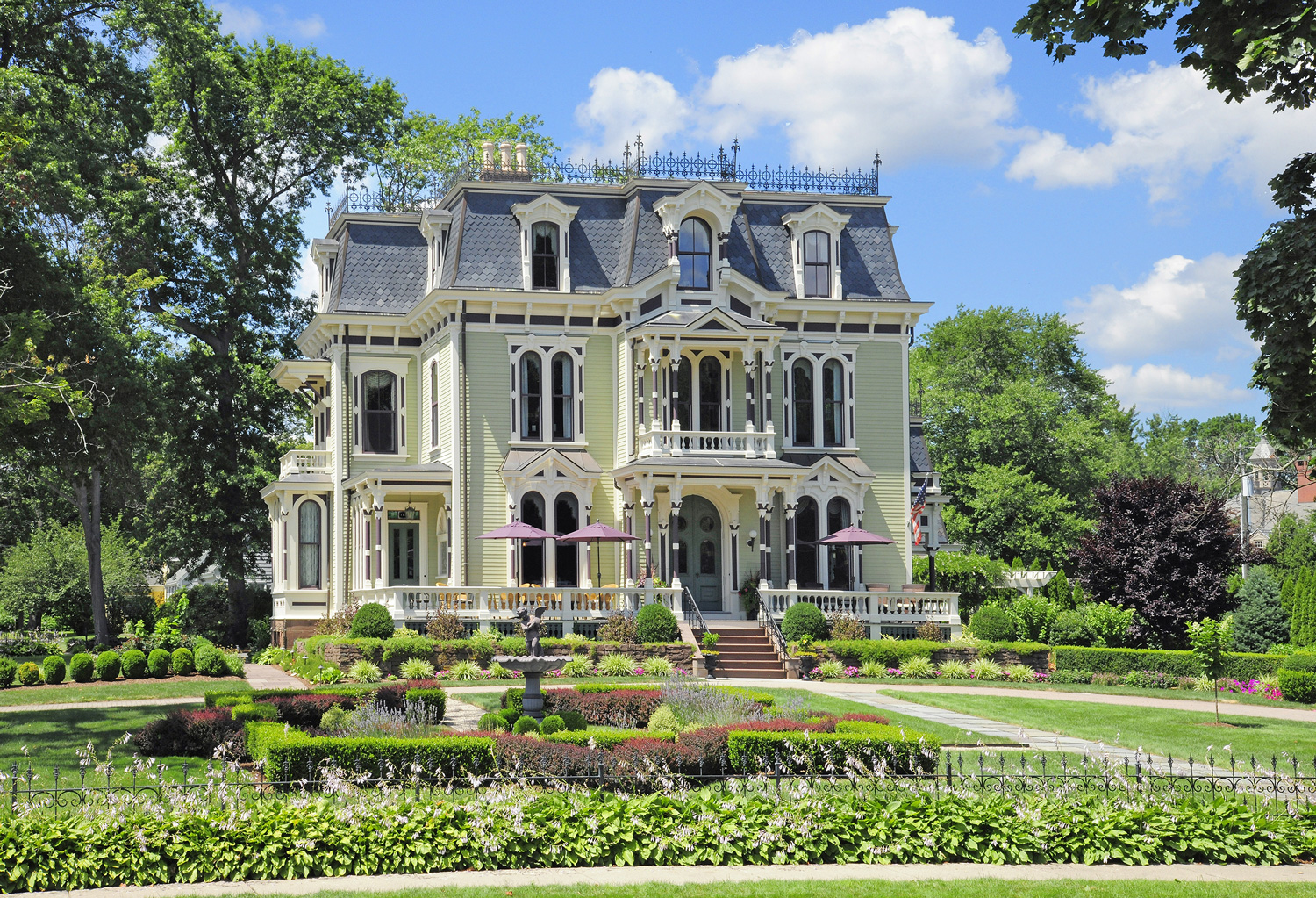
When we hear the name “Grey Gables,” we instantly picture a specific silhouette: steep roofs, intricate trim, and a looming tower against a cloudy sky. The Victorian mansion is an icon of architectural history, representing a period of immense wealth, industrialization, and artistic expression.
But what defines this style, and why does it still captivate us today?
The Industrial Revolution and “New Money” The Victorian era (roughly 1837-1901) coincided with the Industrial Revolution. Suddenly, there was a new class of wealthy individuals—factory owners, railroad tycoons, and bankers—who wanted to flaunt their status. They didn’t have the ancestral castles of the aristocracy, so they built their own.
These mansions were designed to impress. They were often built on hills or prominent street corners. The intricate woodwork, known as “gingerbread,” was made possible by new mass-production techniques like the steam-powered scroll saw. This allowed for a level of detail that would have been impossibly expensive in previous eras.
The Eclectic Style “Victorian” isn’t actually one style; it’s a collection of many.
-
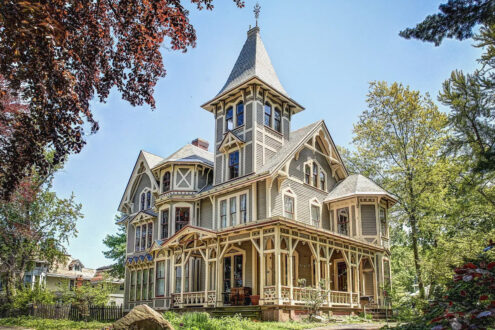
Gothic Revival: Inspired by medieval churches, featuring pointed arches and steep gables.
-
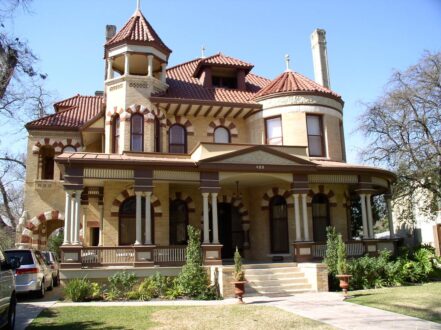
Italianate: Inspired by Italian villas, featuring flat roofs, wide eaves, and square cupolas.
-
Queen Anne: The most famous style, featuring asymmetrical facades, wrap-around porches, and the iconic round towers.
The Interior: Horror Vacui The Victorians feared empty space (horror vacui). Their interiors were cluttered, dark, and opulent. A typical mansion would have heavy velvet drapes, dark wood paneling, stained glass windows, and furniture in every corner. It was a sharp contrast to the minimalism we see in modern luxury today.
The Legacy Today, many of these mansions have been converted into bed and breakfasts or museums. They stand as a testament to a time when a home was a literal castle. At Grey Gables, we appreciate the lineage of luxury. While we now review modern tropical estates, we acknowledge that the desire to build a private kingdom starts here, with the gables and turrets of the 19th century.