
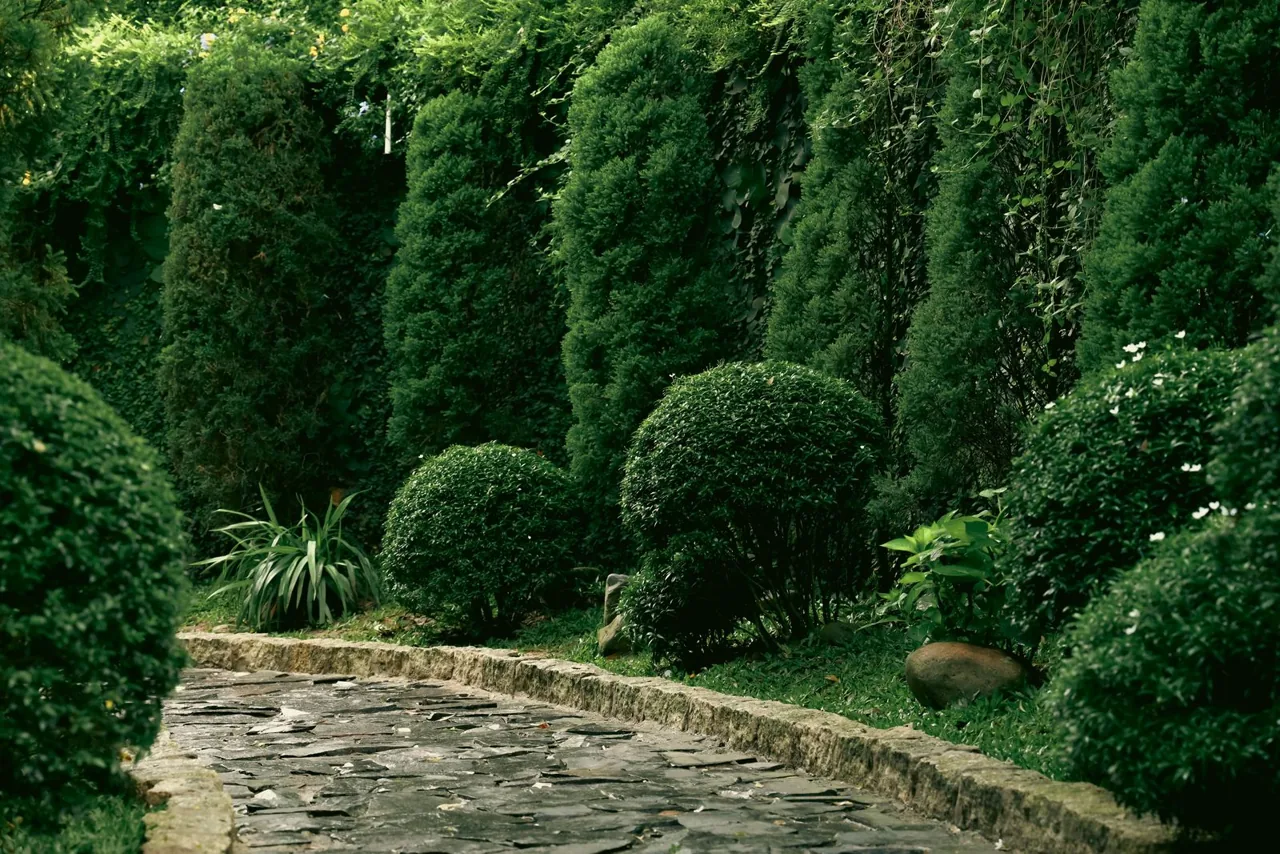
A decade ago, the pinnacle of a Bali holiday was a beautiful single villa. Today, the conversation at the top of the market has shifted to the private estate — several pavilions set within walled grounds, staffed and self-contained. The change says as much about how people want to travel as it does about wealth.
The pull of the gate
What an estate really sells is a threshold. Once inside the gate, the outside world genuinely stops: no shared walls, no passing scooters, no negotiating a hotel corridor with tired children. For public figures and private families alike, that certainty of seclusion has become the ultimate luxury, worth more than any single grand room.
Room to be together, and apart
Estates solve the oldest problem of the group holiday — how to be together without being on top of one another. Separate pavilions let three generations, or several couples, share a table each evening and retreat to genuine privacy each night. The grounds absorb children, teenagers and grandparents at their different speeds, and the shared heart of the estate becomes a gathering place rather than a bottleneck.
A staffed world in miniature
With scale comes a team — a manager, cooks, housekeepers, gardeners and often security — running the estate as a small, discreet operation. Done well, it feels less like a hotel and more like being the temporary owner of a great house. That, ultimately, is the fantasy the private estate sells, and increasingly it is the one Bali's finest properties are built to deliver.